
The Mental Toll of Tinnitus: When a Ringing Ear Becomes a Constant Companion

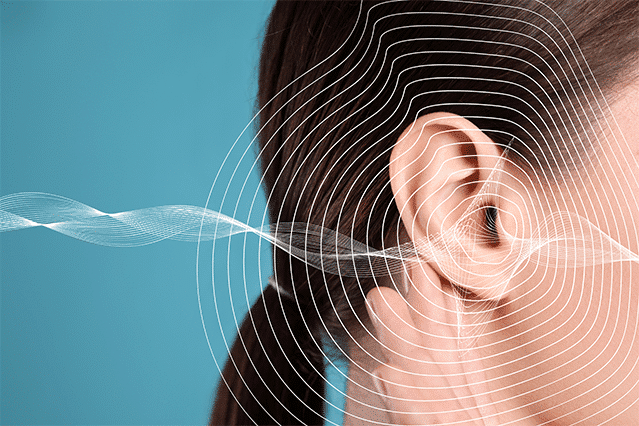
Tinnitus is often described as a ringing in the ears, but for those who live with it, the experience is far more complex and deeply personal. It is not simply a sound; it is a constant companion that follows a person into moments of silence, rest, and reflection. When the external world grows quiet, tinnitus grows louder, filling the mind with a noise that cannot be switched off. Over time, this persistent presence can take a serious mental and emotional toll.

One of the most challenging aspects of tinnitus is its unpredictability. The sound may be a ring, buzz, hiss, or hum, and it can change in volume or tone without warning. This lack of control often leads to frustration and anxiety. People may find themselves constantly monitoring their symptoms, wondering when the noise will spike or whether it will ever fade. This hyper-awareness can trap the mind in a cycle of worry, making relaxation feel impossible.

Sleep is frequently one of the first casualties. Silence at night amplifies tinnitus, turning bedtime into a battleground between exhaustion and an unrelenting internal noise. As sleep quality declines, mental resilience weakens. Fatigue can intensify emotional responses, making stress harder to manage and small challenges feel overwhelming. Over time, chronic sleep deprivation can contribute to mood changes, irritability, and difficulty concentrating.

The emotional impact of tinnitus often extends beyond stress and frustration. Many individuals report feelings of sadness or grief for the quiet they once took for granted. Social situations may become draining, especially when tinnitus interferes with hearing or focus. This can lead to withdrawal and isolation, as people avoid environments that worsen their symptoms or feel embarrassed explaining an invisible condition to others. When misunderstood or dismissed, these experiences can deepen feelings of loneliness.

Anxiety and depression are common mental health companions of chronic tinnitus. The constant noise can create a sense of being trapped in one’s own mind, with no escape from the sound. Some individuals fear that tinnitus signals a worsening condition or that it will dominate their future. These thoughts, if left unchecked, can fuel persistent anxiety and hopelessness, making the condition feel even more overwhelming.

Despite its challenges, many people gradually learn ways to cope with the mental toll of tinnitus. Acceptance, rather than resistance, often marks a turning point. When the mind stops fighting the sound, it can reduce its emotional power. Techniques such as mindfulness, sound therapy, and cognitive strategies can help shift attention away from tinnitus and rebuild a sense of control.

The mental toll of tinnitus is real and significant, but so is the human capacity for adaptation. While the ringing ear may remain a constant companion, it does not have to define a person’s inner life. With understanding, support, and effective coping tools, many individuals rediscover calm, purpose, and moments of true quiet—within their own minds.

COVID: 7 Effortless Tips to Stay Active During the Pandemic
Personal Journeys: 5 Inspiring Stories of Change
Dr. Liker’s Latest Podcast
5 Innovations by Dr. Mark Liker in Care You Should Know
Pandemic-Related Depression Rise

Understanding the Symptoms of Tinnitus and Finding Relief

It usually starts out small — you “hear” something that doesn’t come from any external stimuli. The sound may last for a minute or two and then dissipate. Some people go on to experience this noise more frequently. In severe cases, the sound turns into a constant and life-altering companion.

The name for this is tinnitus, which is a symptom of an underlying issue involving your auditory system. The team at BrainStim Centers has extensive experience helping patients find relief from tinnitus using an innovative technique called transcranial magnetic stimulation (TMS).

Before we get into how TMS may be able to resolve your tinnitus, let’s take a closer look at this condition to help you better recognize the problem.

The many faces of tinnitus

As we mentioned, tinnitus isn’t a disease but is a symptom of a problem in your auditory system. This symptom is most often described as ringing in your ears, but the sound can also present itself as:

  • Clicking
  • Hissing
  • Humming
  • Buzzing
  • Whistling

Sometimes the noise caused by tinnitus is like a roar or rushing sound.

While you can “hear” these noises, they don’t come from any external source, which means it’s created by a malfunction in your auditory system.

These sounds can come and go or remain constant. As well, the levels of the sounds can vary, depending upon the underlying issue.

Common causes of tinnitus

There are any number of problems that can lead to tinnitus, and here are just a few of the more common ones:

  • Damage due to prolonged exposure to noise (working in a noisy plant or wearing headphones)
  • Damage due to sudden, proximal noise (such as a bomb)
  • Age-related hearing loss
  • Ear infections
  • Certain medications
  • Trauma to your head or neck
  • Blockages in your ear canals
  • Blood vessel disorders
  • Eustachian tube dysfunction
  • Meniere’s disease (abnormal inner ear pressure)
  • Temporomandibular joint disorder (TMJ)

When it comes to treating tinnitus, it’s imperative that you receive a proper diagnosis, which will dictate how you go about treating the problem and finding relief.

Tinnitus and TMS

In a best-case scenario, you’re diagnosed with an ear infection or wax buildup, both of which can be quickly cleared up. Unfortunately, tinnitus isn’t usually that easy to figure out and takes a fair bit of sleuthing. Even after an extensive analysis, you and your doctors may be unable to pinpoint the underlying problem.

In these cases, treating this symptom can be very difficult, which is where our TMS treatment may help you find much-needed relief.

To start, we perform a brain scan (MRI) to determine the exact target on the surface of the brain to treat. Using TMS therapy, we can deliver pulses into these areas to stimulate brain neuron activity.

If we find that you may benefit from TMS, we discuss an appropriate timeline — typically five sessions per week for 2-4 weeks. Each of these sessions (except for the first) usually lasts only 20 minutes. Because the TMS treatments are noninvasive, you’re free to get on with your day after you come to see us.

As you progress through your treatments, you should realize gradual improvement in your tinnitus, and we can always make some adjustments along the way for optimal results.

If you’d like to explore whether TMS therapy may hold the key to resolving your tinnitus, contact one of our offices in Encino or Valencia, California, to set up a consultation.

Facebook