
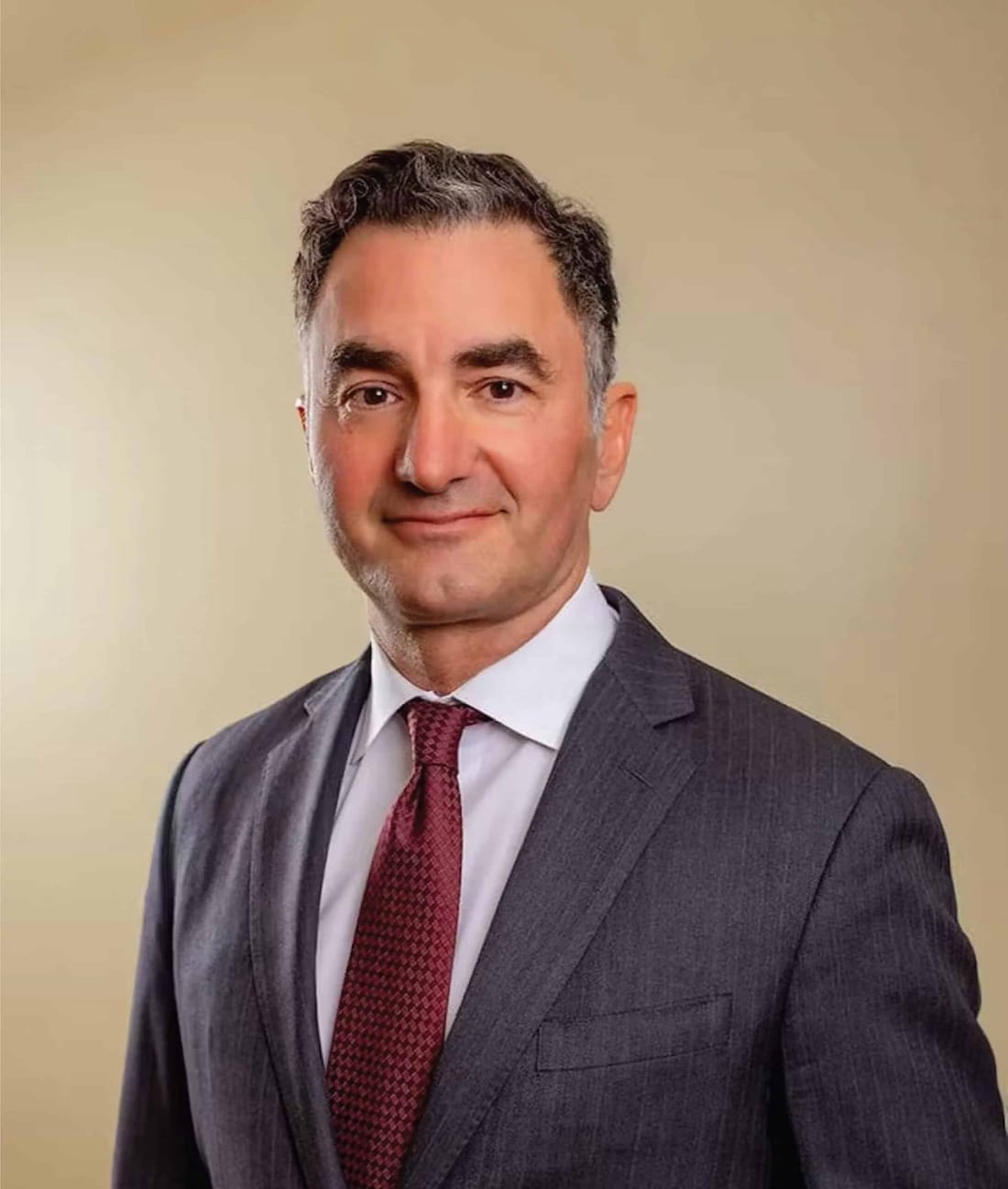
Neurosurgeon and founder
Dr. Mark Liker
For more than two decades he has operated on the brain, where a few millimetres decide whether treatment works. He founded BrainStim to bring the same care to people living with depression, brain injury and other conditions, and he is the person responsible for the clinical decisions behind your care.
MD, FAANS, FACS · Diplomate of the American Board of Neurological Surgery
How he works with you
He starts with your story. What has been happening, what you have already tried, and what you want back. Your history and your symptoms shape everything that follows.
He looks at the whole picture. Where it helps, an MRI, a map of your brain’s electrical activity (qEEG) and standard questionnaires add to what you have told us. Not everyone needs every test.
He decides whether treatment is right for you. He reviews what we have learned before anything is planned, and if treatment here isn’t the right fit, we will tell you.
He stays involved. He reviews every treatment plan himself, and your progress is measured during and after treatment, so the plan can change if it needs to.
In his words
“Every patient’s brain is different. Every prescription for every patient under the TMS umbrella is different.” Dr. Liker explains how BrainStim plans treatment for each person. 1 minute 13 seconds, with captions.
Questions he’s often asked
- How does BrainStim use my MRI to plan TMS?
- Your MRI becomes a 3D model of your own brain. The area to treat is marked on that model, and in every session a navigation system guides the coil back to that same point, rather than placing it from measurements on the outside of the head.
- What does a qEEG add?
- A qEEG records your brain’s electrical activity. In Dr. Liker’s words, it lets us “look at the actual electrical activity of the brain”, so treatment can be tuned to the patterns it shows, including your own alpha peak frequency.
- Does everyone need every test?
- No. What we suggest depends on your story and your symptoms, and we’ll explain why we suggest any test before it’s done.
- How will I know if treatment is working?
- We repeat standard questionnaires during and after treatment and go through the results with you. If you aren’t improving as expected, your plan can change.
Training and positions
Certification
- Diplomate, American Board of Neurological Surgery
- Fellow, American Association of Neurological Surgeons
- Fellow, American College of Surgeons
- California Medical License A062368
Education
- Princeton University, B.S.E., Mechanical and Aerospace Engineering
- SUNY Health Science Center at Brooklyn, MD, summa cum laude with distinction in research
- LAC+USC Medical Center, residency in Neurological Surgery, with a fellowship certificate in complex spinal surgery
- Keck School of Medicine of USC, postdoctoral fellowship on plasticity and models of Parkinson’s disease
Positions
- Founder, BrainStim Centers
- Assistant Professor of Neurosurgery, Keck Medical Center of USC
- Medical Director of Neurosurgery, Henry Mayo Hospital
- Founder and Partner, California Neurosurgical Institute
- Formerly Medical Director, Gamma Knife Unit, Northridge Hospital Medical Center
Research and teaching
- 21 published papers
- About 45 invited lectures and presentations
Neurosurgery consultations
- For brain or spine surgery, or a surgical second opinion, Dr. Liker sees patients at California Neurosurgical Institute (opens in a new tab), (661) 228-8697.
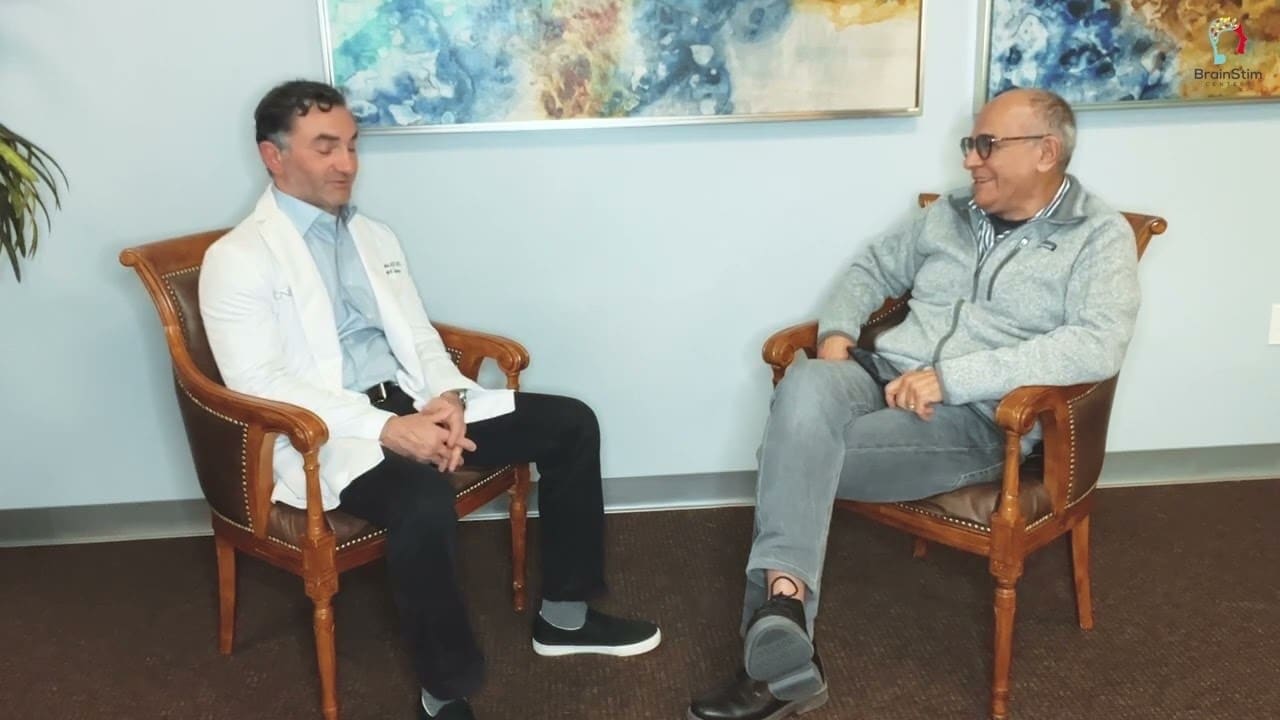
Dr. Liker, in conversation.
On television, on podcasts and in the local press, explaining the brain in plain words.
- Explaining Parkinson’s disease on live television, the day Brett Favre shared his diagnosis. (CBS News Los Angeles, September 2024)
- Talking with professional MMA fighter Sage Northcutt about training his brain for the ring. (In the clinic, November 2025)
- How BrainStim helps patients reach their best brain function. (SCV Economic Development podcast, August 2021)
- Wave of the future: BrainStim Center opens in Valencia (The Signal, March 2021): “By modulating the circuits, you can change the outflow of the circuits … which is behavior. I think this is the wave of the future.”
- Brain stimulation can help treat depression (Antelope Valley Press, March 2025): “Antelope Valley residents have a new option locally for treating depression … one that does not involve medications.”
- BrainStim orders a second Nexstim system (Nexstim press release, September 2020): “The accuracy of my equipment means the difference between an effective and ineffective treatment.”