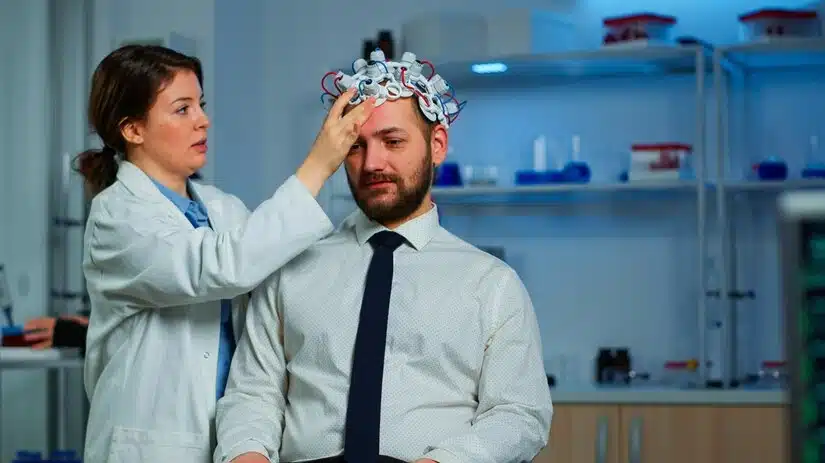

Revolutionizing Mental Health: TMS Therapy for Depression in Valencia & Calabasas

Personalized Treatment for Depression

Benefits of Non-Invasive Therapy

  • The TMS therapy for depression in Valencia & Calabasas is revolutionizing mental health care.
  • Experience non-invasive and drug-free treatment options for depression.
  • Dr. Mark Liker brings expertise in personalized brain treatment, ensuring individualized care.

Expertise of Dr. Mark Liker

  • Dr. Mark Liker’s proficiency lies in providing personalized brain treatment for depression.
  • He specializes in non-invasive therapies, offering targeted and effective solutions for depression.

Non-Invasive Therapy and Expertise

Benefits of Non-Invasive Therapy

When considering TMS therapy for depression in Valencia & Calabasas, it’s essential to understand the benefits of non-invasive treatment options. This approach offers a non-invasive method for addressing depression, providing individuals with a personalized and targeted treatment plan. By utilizing brain stimulation therapy, patients can experience relief from symptoms without invasive procedures. The non-invasive nature of this therapy ensures minimal disruption to daily activities, making it a convenient and effective alternative for those looking for relief from depression.

Expertise of Dr. Mark Liker

Dr. Mark Liker’s expertise extends to providing personalized brain treatment for depression through MeRT therapy. With in-depth knowledge and extensive experience in non-invasive therapies, Dr. Liker is dedicated to offering patients comprehensive care that lines up with their unique needs. His specialized approach ensures that each patient receives tailored treatment, emphasizing the importance of personalized care in mental health recovery.

Understanding Brain Imaging

Diagnostic Brain Imaging

When it comes to addressing depression, diagnostic brain imaging plays a important role in understanding the underlying neurological factors contributing to the condition. By utilizing advanced neuroimaging techniques, healthcare providers can gain valuable insights into the unique brain activity and connectivity patterns of individuals experiencing depression. This in-depth analysis allows for a personalized approach to treatment, as the results of brain scans provide essential information for tailoring therapeutic interventions.

Assessment Period for MeRT Treatment

The assessment period for MeRT treatment involves a comprehensive process aimed at evaluating an individual’s specific neurological profile. This includes conducting thorough brain scans and neuroimaging assessments to gather detailed information about the patient’s brain function and structure. The duration of this assessment varies based on individual needs but typically involves a series of targeted evaluations to ensure a comprehensive understanding of the patient’s neurological health. Subsequently, a customized treatment plan is developed based on the assessment results, aligning with the unique neurobiological characteristics identified through advanced brain imaging techniques.

By leveraging state-of-the-art diagnostic tools and technologies, healthcare providers can offer personalized treatments that directly address the individualized needs of patients undergoing MeRT therapy.

TMS Therapy For Depression In Valencia & Calabasas, CA

Non-Invasive and Drug-Free Treatment Options

When exploring TMS therapy for depression in Valencia & Calabasas, individuals can benefit from non-invasive and drug-free treatment options that prioritize their well-being. The innovative approach of TMS therapy offers a non-invasive method for addressing depression, harnessing the power of brain stimulation therapy to alleviate symptoms without the need for medication. This drug-free alternative provides individuals with a personalized treatment plan, tailored to their different needs and preferences. By embracing non-invasive and drug-free TMS therapy, patients can witness an enhancement in their mental well-being while bypassing the potential side effects linked with conventional medication-based therapies.

Contacting the New Patient Coordinator

Initiating the journey towards TMS therapy begins with contacting the New Patient Coordinator, a pivotal step in accessing personalized consultations and comprehensive care. The process of reaching out to the coordinator is essential as it facilitates the scheduling of individualized consultations, allowing patients to discuss their specific needs and explore the potential benefits of TMS therapy for depression. By engaging with the New Patient Coordinator, people can take proactive steps toward bettering their mental wellness through customized treatment plans tailored to their unique circumstances.

Recognizing Symptoms and Assessment

Symptoms of Depression

Feeling sad or having a low mood is one of the most common symptoms of depression. Individuals may also experience a loss of interest or pleasure in activities they once enjoyed. Changes in appetite or weight, as well as sleep disturbances, are frequently observed in those with mental illness. Additional symptoms encompass sensations of worthlessness or guilt, difficulty concentrating, and suicide. It’s crucial to recognize these early signs of mood disorder to seek timely support and intervention.

Assessment Process for MeRT Treatment

The assessment process for MeRT treatment is vital for growing a comprehensive understanding of an individual’s unique neurological profile. Thorough evaluations and diagnostic procedures are conducted to gather detailed information about the patient’s brain function and structure. This in-depth assessment ensures that the treatment approach is customized based on the individual’s specific needs, addressing the underlying neurobiological factors contributing to their depression. By tailoring the treatment plan according to the results of the assessment, individuals can receive personalized care that aligns with their distinct neurobiological characteristics.

Personalized Approach to Mental Health Recovery

Suitability of MeRT Treatment

Tailoring mental health treatments to the individual is crucial, and MeRT therapy offers a personalized approach to address the different needs of each patient. By utilizing advanced transcranial magnetic stimulation, this innovative treatment method can be customized to align with the specific neurobiological characteristics of individuals experiencing depression. The suitability of MeRT treatment is determined through a thorough evaluation of the patient’s neurological profile, ensuring that the therapeutic interventions are precisely tailored to their unique brain activity and connectivity patterns. This personalized approach enhances the productiveness of the treatment, providing individuals with targeted care that directly addresses their specific mental health challenges.

Importance of Personalized Treatment

The importance of personalized treatment in mental health recovery cannot be overstated. Customized treatment plans for depression take into account the individual’s distinct neurobiological characteristics, ensuring that therapeutic interventions directly address their unique needs. By tailoring treatments based on advanced diagnostic assessments and brain stimulation therapy, healthcare providers can effectively to deal with the root causes of an individual’s depression. This customized method not only amplifies the efficacy of treatments but also nurtures a feeling of empowerment and hope for those striving to enhance their mental well-being.

Embracing TMS Therapy for Mental Wellness

Benefits of TMS Therapy

The utilization of TMS therapy for depression in Valencia & Calabasas offers a range of benefits that contribute to overall mental wellness. By incorporating brain stimulation therapy into the treatment approach, individuals can experience improvements in their mental health and well-being. This innovative therapy targets the neurological factors associated with depression, providing a non-invasive and personalized method for addressing symptoms. Through the precise application of transcranial magnetic stimulation, patients can benefit from enhanced mood regulation and a reduction in depressive symptoms. Furthermore, TMS therapy promotes neuroplasticity, supporting the brain’s ability to adapt and rewire neural pathways associated with emotional regulation. Embracing TMS therapy as part of a comprehensive mental wellness strategy empowers individuals to take proactive steps toward improving their overall standard of life.

Persuasive Call to Action

It’s time to take control of your mental wellness journey by considering TMS therapy for depression in Valencia & Calabasas. By embracing this innovative approach, you are prioritizing your mental health recovery and begin your journey toward reclaiming a fulfilling life by discovering the potential benefits of TMS therapy. Don’t let depression hold you back empower yourself with personalized treatment options that cater to your unique needs. Make the decision to embrace TMS therapy and embark on a path toward mental wellness today.

Conclusion

In conclusion, the field of mental health is being transformed by TMS Therapy for Depression in Valencia & Calabasas. By embracing non-invasive and drug-free treatment options such as MeRT therapy and brain stimulation therapy, individuals are taking proactive steps toward their mental health recovery. This personalized approach to addressing depression empowers individuals to reclaim control over their well-being while prioritizing their unique needs. It’s time to revolutionize mental health care by embracing innovative and targeted treatments that offer hope and empowerment for those seeking relief from depression.

CALL US DIRECTLY
(310)895-7122
28212 Kelly Johnson Pkwy, Suite 215, Valencia, CA 91355
info@brainstimcenters.com


MeRT Therapy for Anxiety: Transform Your Life in Valencia & Calabasas

MeRT Therapy Overview

MeRT Therapy, also known as Transcranial Magnetic Stimulation (TMS) Therapy, offers a groundbreaking approach to anxiety treatment in Valencia & Calabasas. This innovative therapy utilizes advanced techniques to harness its potential. neuroscience to optimize brain function and alleviate anxiety symptoms. With a personalized treatment approach, MeRT Therapy targets the root causes of anxiety, providing a transformative path to mental wellness. By exploring the transformative potential of MeRT Therapy for anxiety in Valencia & Calabasas, individuals can embark on a journey toward long-lasting relief and improved standard of life.

Science Behind MeRT Therapy

Neuroscience of MeRT Therapy

MeRT Therapy, also known as transcranial magnetic stimulation (TMS) therapy, operates on the principle of optimizing brain function to alleviate anxiety symptoms. This innovative treatment involves the use of electromagnetic fields to stimulate specified parts of the brain associated with anxiety regulation. By modulating neural activity, MeRT Therapy aims to rebalance brain function and disrupt patterns that contribute to anxiety disorders. Through this process, the therapy seeks to promote neuroplasticity, which is the brain’s ability to restructure itself by forming new neural connections. This approach offers a promising avenue for people seeking relief from anxiety, as it directly addresses the neurological aspects of the condition.

Research and Efficacy

Research into MeRT Therapy has demonstrated promising efficacy in alleviating anxiety symptoms. Studies have shown that this non-invasive brain stimulation technique can lead to significant improvements in anxiety levels and overall mental well-being. The evidence supporting the effectiveness of MeRT Therapy for anxiety underscores its potential as a transformative treatment alternative for people struggling with anxiety disorders. As ongoing research continues to validate its efficacy, MeRT Therapy stands out as an innovative and scientifically supported approach to addressing anxiety at its neurological roots.

Personalized Treatment Approach

Tailored Therapy Programs

MeRT Therapy takes a personalized approach to address the diverse manifestations of anxiety disorder. Each individual’s experience with anxiety is unique, and as such, their treatment plan should be tailored to their unique needs. Through comprehensive assessments and in-depth consultations, MeRT Therapy providers develop customized therapy programs that target the root causes of each person’s anxiety symptoms.

By tailoring therapy plans to the individual, MeRT Therapy can effectively address the multifaceted nature of anxiety disorders. This personalized approach acknowledges the complex interplay of biological, psychological, and environmental elements that contribute to an individual’s psychological well-being. By taking into account these diverse influences, MeRT Therapy aims to create tailored interventions that promote long-term relief and improved mental health outcomes for each person undergoing treatment.

The customization of therapy plans in MeRT Therapy reflects a devotion to addressing the holistic needs of individuals struggling with anxiety disorder. By recognizing and responding to the different aspects of each person’s experience with anxiety, this approach underscores the therapy’s dedication to optimizing psychological well-being through personalized care.

TMS Therapy For Anxiety In Valencia & Calabasas, CA

Non-Invasive Treatment Option

When considering TMS Therapy for Anxiety in Valencia & Calabasas, it’s essential to recognize its non-invasive nature. Unlike traditional treatments, such as medication and surgery, TMS Therapy offers a non-invasive approach to addressing anxiety. This means that individuals undergoing this therapy experience minimal discomfort and do not require anesthesia. The non-invasive nature of TMS Therapy also allows people to resume their daily life immediately after each session, without any recovery period. This aspect makes it a convenient and accessible treatment alternative for those seeking relief from anxiety symptoms.

Furthermore, TMS therapy’s noninvasive nature contributes to its safety profile, minimizing the risk of potential side effects commonly associated with invasive procedures. As a result, individuals can pursue anxiety treatment with confidence, knowing that they are engaging in a well-tolerated and gentle therapeutic approach.

Benefits of MeRT Therapy

The benefits of TMS Therapy for Anxiety in Valencia & Calabasas extend beyond its non-invasiveness. This innovative therapy offers targeted relief by directly addressing the neurological underpinnings of anxiety disorders. By optimizing brain function and promoting neuroplasticity, MeRT Therapy aims to provide sustainable improvements in mental well-being.

Moreover, the personalized nature of MeRT Therapy ensures that individuals receive tailored interventions that align with their unique needs and experiences. This individualized approach intensifies the effectiveness of the therapy, leading to more comprehensive and lasting outcomes for those undergoing treatment.

In addition to its efficacy and personalized care, MeRT Therapy stands out as a time-efficient treatment option. With brief sessions that fit seamlessly into daily routines, individuals can pursue anxiety relief without disrupting their regular schedules.

MeRT Therapy’s multifaceted benefits encompass its efficacy, personalization, convenience, and safety – making it a compelling alternative for individuals seeking transformative relief from anxiety symptoms in Valencia & Calabasas.

Assessing MeRT Therapy Suitability

Determining Eligibility

When evaluating the suitability of MeRT Therapy for anxiety treatment, several factors come into play. Firstly, individuals with a diagnosis of anxiety disorder, including generalized anxiety, social anxiety, or panic disorder, are potential candidates for TMS therapy. Additionally, those who have not experienced significant find respite from traditional treatments like medication or therapy through this innovative approach. may find MeRT Therapy to be a viable alternative.

Furthermore, the assessment of eligibility considers the persons overall health status and any other existing medical conditions. While neurostimulation is generally well-tolerated, certain medical conditions or implanted devices may impact the suitability of MeRT Therapy.

Ultimately, determining eligibility involves a comprehensive evaluation by a qualified healthcare provider specializing in MeRT Therapy. By considering the individual’s specific symptoms, treatment history, and overall health profile, healthcare professionals can make informed decisions regarding the appropriateness of MeRT Therapy for anxiety relief.

Consultation Process

The consultation process for MeRT Therapy begins Initiate the process with an initial assessment aimed at gathering pertinent details about the individual’s anxiety symptoms and treatment history. This includes in-depth conversations regarding the nature and intensity of anxiety symptoms, past treatment experiences, and potential underlying factors influencing the condition.

Following this assessment, individuals undergo neurocognitive testing to provide insights into brain function and identify areas that may benefit from targeted neurostimulation. These tests help tailor the MeRT Therapy program to address each person’s unique neurological profile and optimize its effectiveness in alleviating anxiety symptoms.

After completing these assessments, individuals engage in thorough consultations with specialized healthcare providers who discuss the findings and proposed treatment plans. This collaborative approach ensures that people are actively involved in their care and have a clear understanding of how MeRT Therapy can address their specific anxiety-related challenges.

Next Steps After Assessment

Treatment Initiation

Once the suitability for MeRT Therapy as an anxiety treatment has been determined, the next step involves initiating the therapeutic intervention. Individuals can expect to begin their personalized MeRT Therapy program, tailored to address their specific anxiety symptoms and neurological profile. The treatment initiation process typically entails scheduling sessions with specialized healthcare providers who administer the neurostimulation protocol.

During these sessions, individuals receive targeted mental health care through non-invasive electromagnetic stimulation aimed at optimizing brain function and alleviating anxiety symptoms. The time and frequency of sessions may vary based on the person’s therapy plan, with healthcare providers closely monitoring progress and adjusting the treatment as needed.

As individuals embark on their MeRT Therapy journey, they can anticipate a collaborative approach that prioritizes their well-being and actively involves them in their care. This marks the beginning of a transformative path towards sustainable relief from anxiety, supported by a comprehensive and personalized treatment program.

Support and Follow-Up

Throughout the course of MeRT Therapy for anxiety, ongoing support and follow-up play crucial roles in optimizing treatment outcomes. Specialized healthcare providers offer continuous support to individuals undergoing therapy, addressing any concerns or questions that may arise during the course of treatment. This ensures that individuals feel empowered and informed about their therapeutic journey, fostering a sense of confidence in their pursuit of improved mental well-being.

Moreover, regular follow-up appointments allow healthcare providers to assess progress, evaluate the effectiveness of the therapy, and make any necessary adjustments to maximize its benefits. This proactive approach to support and follow-up underscores the commitment to achieving lasting relief from anxiety symptoms through MeRT Therapy.

The combination of personalized therapeutic intervention, ongoing support, and diligent follow-up creates a nurturing environment that empowers individuals to embrace positive changes in their mental health. As a result, individuals can experience sustained improvements in their overall well-being as they continue on their path toward transformative relief from anxiety.

Conclusion

MeRT Therapy stands as a beacon of hope for individuals seeking transformative relief from anxiety in Valencia & Calabasas. With its innovative approach to brain function optimization, MeRT Therapy offers a personalized and non-invasive pathway to addressing anxiety symptoms. By harnessing the power of advanced neuroscience, this therapy aims to create sustainable improvements in mental well-being. Through tailored treatment plans and ongoing support, individuals can embark on a journey toward lasting anxiety relief. Experience the profound impact of MeRT Therapy as it paves the way for enhanced quality of life and renewed mental wellness.

CALL US DIRECTLY
(310)895-7122
28212 Kelly Johnson Pkwy, Suite 215, Valencia, CA 91355
info@brainstimcenters.com

BrainStim Centers Introduces Cutting-Edge Neuro-Navigated TMS Therapy for Precision Treatment

BrainStim Centers has introduced its groundbreaking neuro-navigated TMS therapy, setting a new standard for precision treatment in individuals grappling with conditions like depression. Through a combination of cutting-edge technologies and personalized care, BrainStim Centers provides a tailored approach to address the unique needs of each patient.

Our neuro-navigated TMS therapy offers a level of precision and individualized treatment that is unparalleled. Utilizing state-of-the-art NexStim E-Field Navigated TMS technology enables us to pinpoint treatment areas with remarkable accuracy, ensuring optimal outcomes for our patients.

The process commences with a comprehensive brain examination using MRI imaging, allowing the BrainStim Centers team to create personalized therapy plans tailored to the individual’s unique brain state. Each treatment session, ranging from 3 to 37 minutes, is meticulously crafted to meet the specific needs of the patient, ensuring a highly targeted and effective approach.

Setting itself apart, BrainStim Centers provides SmartFocus® TMS, a non-invasive and personalized treatment option for depression with remarkable efficacy. Through accelerated TMS protocols and stringent oversight, BrainStim Centers establishes itself as a leader in the field, delivering unparalleled results for its patients.

For those seeking advanced and individualized TMS therapy in Valencia and Calabasas, BrainStim Centers is the go-to destination. With a focus on precision, innovation, and superior care, BrainStim Centers continues to raise the bar in the realm of TMS therapy, offering hope and healing to those in need.

Abstract Summary:

BrainStim Centers introduces groundbreaking neuro-navigated TMS therapy, utilizing NexStim E-Field technology for precision treatment in conditions like depression. This state-of-the-art approach, featuring SmartFocus® TMS, offers unparalleled accuracy and individualized care, setting a new standard for advanced TMS therapy in Valencia and Calabasas.

Recognizing When Depression Is Affecting Your Daily Life and How TMS Therapy Can Help

Transcranial Magnetic Stimulation, TMS therapy is emerging as a groundbreaking treatment for veterans struggling with depression and Post-Traumatic Stress Disorder (PTSD). Veterans often face unique mental health challenges due to the intense and traumatic experiences encountered during their service. Traditional treatments, while effective for many, do not always provide the relief needed for this demographic. This blog explores how TMS therapy is offering hope and tangible results for veterans, especially in locations like Valencia, CA and Calabasas, CA, as well as innovative approaches in Cancun, Mexico.

Understanding TMS Therapy

TMS therapy primarily targets the prefrontal cortex, the area of the brain responsible for mood regulation. By stimulating this region, TMS can help alleviate symptoms of depression and PTSD, making it a promising option for veterans who have not responded to traditional treatments like medication and psychotherapy.

The Unique Mental Health Challenges of Veterans

Veterans are at a higher risk of developing mental health conditions. The nature of military service—exposure to combat, the stress of deployment, and the challenges of reintegration into civilian life—can significantly impact mental well-being. Traditional treatments, while beneficial, often fall short in addressing the complex and multifaceted nature of these conditions in veterans.

How TMS Therapy Benefits Veterans

  1. Effective for Treatment-Resistant Depression

Many veterans suffer from treatment-resistant depression, where standard treatments like antidepressants do not provide sufficient relief. TMS therapy has shown significant efficacy in reducing symptoms of depression in these cases. By directly stimulating brain activity, TMS offers a new avenue of hope for those who have not found success with other treatments.

  1. Non-Invasive and Minimal Side Effects

Unlike other treatments that may involve medication with various side effects, TMS therapy is non-invasive and has minimal side effects. This aspect is particularly appealing for veterans who may already be dealing with the physical ramifications of their service.

  1. Improvement in PTSD Symptoms

PTSD is a common and serious issue that many veterans face, and it can have a profound impact on their lives, symptoms such as flashbacks, severe anxiety, and uncontrollable thoughts about the traumatic event. Studies have shown that TMS therapy can significantly reduce these symptoms.

TMS Therapy in Valencia, CA and Calabasas, CA

Valencia, CA

TMS Therapy Valencia, CA, has become a hub for veterans seeking advanced treatment options. The accessibility of TMS clinics in this area ensures that veterans can receive the care they need without long wait times. The personalized approach in these clinics allows for treatments tailored to the specific needs.

Calabasas, CA

Depression treatment in Calabasas, CA, also offers TMS therapy as a part of its comprehensive mental health services. The integration of TMS therapy in Calabasas is helping veterans achieve better mental health outcomes by providing a holistic approach that includes both traditional and modern treatment modalities.

Innovative Treatments in Cancun, Mexico

For veterans seeking treatment outside the United States, Cancun, Mexico offers innovative and accessible TMS therapy options. The facilities in Cancun provide world-class care, combining vacation-like environments with cutting-edge treatment. This setting can be particularly therapeutic, offering a peaceful and healing backdrop for recovery.

MeRT Therapy: An Advanced TMS Approach

In addition to standard TMS therapy, Magnetic e-Resonance Therapy (MeRT) is available in Valencia, CA. MeRT is a tailored approach that combines TMS with EEG (electroencephalogram) to customize the treatment based on the patient’s brainwave patterns. A personalized approach can boost TMS therapy’s effectiveness, offering even greater relief for veterans suffering from depression and PTSD.

Promoting Brain Health in Veterans

Locations like Calabasas, CA, emphasize a holistic approach to mental health, integrating TMS therapy with other brain health services. This comprehensive care model ensures that veterans receive the support they need to maintain both mental and physical health.

Conclusion

TMS therapy represents a beacon of hope for veterans struggling with depression and PTSD. With its non-invasive nature, minimal side effects, and proven efficacy, it offers a viable alternative to traditional treatments. As more veterans in places like Valencia, CA, and Calabasas, CA, as well as those seeking innovative care in Cancun, Mexico, discover the benefits of TMS therapy, it is poised to become a cornerstone of mental health treatment for this deserving population.

CALL US DIRECTLY
(310)895-7122
28212 Kelly Johnson Pkwy, Suite 215, Valencia, CA 91355
info@brainstimcenters.com

How TMS Therapy Helps Veterans Overcome Depression and PTSD

Transcranial Magnetic Stimulation, TMS therapy is emerging as a groundbreaking treatment for veterans struggling with depression and Post-Traumatic Stress Disorder (PTSD). Veterans often face unique mental health challenges due to the intense and traumatic experiences encountered during their service. Traditional treatments, while effective for many, do not always provide the relief needed for this demographic. This blog explores how TMS therapy is offering hope and tangible results for veterans, especially in locations like Valencia, CA and Calabasas, CA, as well as innovative approaches in Cancun, Mexico.

Understanding TMS Therapy

TMS therapy primarily targets the prefrontal cortex, the area of the brain responsible for mood regulation. By stimulating this region, TMS can help alleviate symptoms of depression and PTSD, making it a promising option for veterans who have not responded to traditional treatments like medication and psychotherapy.

The Unique Mental Health Challenges of Veterans

Veterans are at a higher risk of developing mental health conditions. The nature of military service—exposure to combat, the stress of deployment, and the challenges of reintegration into civilian life—can significantly impact mental well-being. Traditional treatments, while beneficial, often fall short in addressing the complex and multifaceted nature of these conditions in veterans.

How TMS Therapy Benefits Veterans

  1. Effective for Treatment-Resistant Depression

Many veterans suffer from treatment-resistant depression, where standard treatments like antidepressants do not provide sufficient relief. TMS therapy has shown significant efficacy in reducing symptoms of depression in these cases. By directly stimulating brain activity, TMS offers a new avenue of hope for those who have not found success with other treatments.

  1. Non-Invasive and Minimal Side Effects

Unlike other treatments that may involve medication with various side effects, TMS therapy is non-invasive and has minimal side effects. This aspect is particularly appealing for veterans who may already be dealing with the physical ramifications of their service.

  1. Improvement in PTSD Symptoms

PTSD is a common and serious issue that many veterans face, and it can have a profound impact on their lives, symptoms such as flashbacks, severe anxiety, and uncontrollable thoughts about the traumatic event. Studies have shown that TMS therapy can significantly reduce these symptoms.

TMS Therapy in Valencia, CA and Calabasas, CA

Valencia, CA

TMS Therapy Valencia, CA, has become a hub for veterans seeking advanced treatment options. The accessibility of TMS clinics in this area ensures that veterans can receive the care they need without long wait times. The personalized approach in these clinics allows for treatments tailored to the specific needs.

Calabasas, CA

Depression treatment in Calabasas, CA, also offers TMS therapy as a part of its comprehensive mental health services. The integration of TMS therapy in Calabasas is helping veterans achieve better mental health outcomes by providing a holistic approach that includes both traditional and modern treatment modalities.

Innovative Treatments in Cancun, Mexico

For veterans seeking treatment outside the United States, Cancun, Mexico offers innovative and accessible TMS therapy options. The facilities in Cancun provide world-class care, combining vacation-like environments with cutting-edge treatment. This setting can be particularly therapeutic, offering a peaceful and healing backdrop for recovery.

MeRT Therapy: An Advanced TMS Approach

In addition to standard TMS therapy, Magnetic e-Resonance Therapy (MeRT) is available in Valencia, CA. MeRT is a tailored approach that combines TMS with EEG (electroencephalogram) to customize the treatment based on the patient’s brainwave patterns. A personalized approach can boost TMS therapy’s effectiveness, offering even greater relief for veterans suffering from depression and PTSD.

Promoting Brain Health in Veterans

Locations like Calabasas, CA, emphasize a holistic approach to mental health, integrating TMS therapy with other brain health services. This comprehensive care model ensures that veterans receive the support they need to maintain both mental and physical health.

Conclusion

TMS therapy represents a beacon of hope for veterans struggling with depression and PTSD. With its non-invasive nature, minimal side effects, and proven efficacy, it offers a viable alternative to traditional treatments. As more veterans in places like Valencia, CA, and Calabasas, CA, as well as those seeking innovative care in Cancun, Mexico, discover the benefits of TMS therapy, it is poised to become a cornerstone of mental health treatment for this deserving population.

CALL US DIRECTLY
(310)895-7122
28212 Kelly Johnson Pkwy, Suite 215, Valencia, CA 91355
info@brainstimcenters.com

What is Theta-Burst Stimulation (iTBS) and How Does It Differ from Traditional TMS?

Transcranial Magnetic Stimulation (TMS) has long been a powerful tool in neuroscience and mental health treatment, offering a non-invasive approach to managing conditions like depression, anxiety, and more. Among the advancements in this field is Theta-Burst Stimulation (iTBS), an innovative variation of TMS that delivers shorter, more intense sessions with promising outcomes. But what exactly is theta-burst stimulation, and how does it differ from traditional TMS? Let’s dive into the details.

What is Theta-Burst Stimulation (iTBS)?

Theta-Burst Stimulation (iTBS) is a specialized form of TMS that delivers magnetic pulses in bursts, mimicking the brain’s natural theta rhythm, a frequency associated with learning, memory, and neuroplasticity.

In iTBS, pulses are delivered in quick bursts of three, spaced 20 milliseconds apart, repeated at intervals of 200 milliseconds. These rapid bursts stimulate specific brain regions, particularly the prefrontal cortex, which is often underactive in conditions like depression. The stimulation helps reset neural pathways and encourages the brain to form new, healthier connections.

iTBS can be delivered in two modes:

  • Intermittent Theta-Burst Stimulation (iTBS): Primarily used to enhance brain activity.
  • Continuous Theta-Burst Stimulation (cTBS): Typically used to reduce overactivity in certain brain areas.

How Does iTBS Differ from Traditional TMS?

While both traditional TMS and iTBS use magnetic pulses to stimulate the brain, there are significant differences in how these therapies are administered and their overall benefits.

Duration of Treatment

  • Traditional TMS: Sessions last about 20–40 minutes and require daily visits over 4–6 weeks.
  • iTBS: Sessions are significantly shorter, often lasting just 3–10 minutes, making it a more convenient option for patients.

The reduced session time of iTBS is particularly beneficial for individuals with busy schedules or those who find longer treatment sessions challenging to accommodate.

Frequency of Pulses

  • Traditional TMS: Delivers single pulses at a steady frequency (e.g., 10 Hz) over a set period.
  • iTBS: Delivers bursts of three pulses at theta frequency, mimicking the brain’s natural rhythms.

The burst pattern of iTBS allows for more efficient stimulation, potentially enhancing its therapeutic effects.

Mechanism of Action

  • Traditional TMS: Gradually stimulates neural circuits through steady magnetic pulses.
  • iTBS: Uses theta rhythms to rapidly enhance synaptic plasticity, the brain’s ability to form and reorganize connections.

By mimicking natural brain activity, iTBS can achieve similar or better results in less time compared to traditional TMS.

Efficacy

While both treatments are highly effective, studies suggest that iTBS can provide comparable outcomes to traditional TMS in treating depression, anxiety, and other conditions, often with fewer sessions.

Patient Comfort

  • Traditional TMS: This may cause mild discomfort during the session due to repetitive single pulses.
  • iTBS: The shorter duration and burst-style stimulation often result in a more tolerable experience for patients.

Advantages of Theta-Burst Stimulation (iTBS)

  1. Time Efficiency: iTBS sessions are much shorter, making it a practical option for patients and clinicians.
  2. Cost-Effectiveness: With shorter sessions, iTBS may reduce overall treatment costs while maintaining efficacy.
  3. Enhanced Neuroplasticity: By mimicking the brain’s natural rhythms, iTBS may encourage stronger and faster neural adaptation.
  4. Broad Applicability: iTBS has shown promise in treating a range of conditions, including major depressive disorder (MDD), anxiety, post-traumatic stress disorder (PTSD), and even cognitive decline.
  5. Improved Accessibility: The shorter session times make it easier for clinics to accommodate more patients, improving access to care.

Is iTBS Right for You?

If you’re considering TMS as a treatment option, iTBS might be worth exploring, especially if:

Consult with a qualified healthcare provider to determine if iTBS is suitable for your specific condition and needs.

How Does iTBS Compare in Real-World Applications?

In clinical studies, iTBS has been shown to be as effective as traditional TMS for treating depression and anxiety. For instance, a 2018 study published in The Lancet confirmed that iTBS delivered comparable results to traditional TMS in reducing depressive symptoms but with a much shorter treatment duration.

Additionally, ongoing research is exploring how iTBS might be applied to conditions like chronic pain, addiction, and neurodegenerative disorders.

Conclusion

Theta-Burst Stimulation (iTBS) is an innovative evolution of traditional TMS, offering a faster, more efficient, and equally effective solution for mental health treatment. By harnessing the brain’s natural rhythms, iTBS provides relief from conditions like depression, anxiety, and beyond, often with fewer sessions and less time commitment.

Whether you’re new to TMS or exploring alternatives to traditional therapy, iTBS is a compelling option to consider. Consult a medical professional to learn more about how it can fit into your mental health treatment plan and take the first step toward lasting relief.

Overcome from the Anxiety

Empower yourself with proven strategies, expert guidance, and tools designed to enhance your mental health and foster lasting positivity.

TMS for Overthinkers: Can It Help Quiet a Racing Mind?

Overthinking is exhausting. It’s like having a never-ending mental loop where thoughts spiral out of control, making even simple decisions feel overwhelming. Whether it’s replaying past conversations, worrying about the future, or obsessing over every possible outcome, overthinking can take a serious toll on mental health, productivity, and overall well-being.

For those who can’t seem to quiet their minds, Transcranial Magnetic Stimulation (TMS) is emerging as a promising treatment. Originally developed for treatment-resistant depression, TMS is now being explored for its ability to help reduce anxiety, calm intrusive thoughts, and improve focus. But can it really help overthinkers find relief? Let’s take a closer look.

Why Overthinking Feels Impossible to Stop

Overthinking isn’t just about thinking too much—it’s a neurological pattern that keeps the brain stuck in hyperactivity mode. Research suggests that overthinkers often experience increased activity in the prefrontal cortex, the part of the brain responsible for problem-solving, decision-making, and self-reflection. While these functions are necessary, over-activation can lead to anxiety, indecisiveness, and mental fatigue.

Some common signs of chronic overthinking include:

  • Replaying past mistakes or conversations repeatedly.
  • Struggling to make decisions, even minor ones.
  • Feeling mentally drained from excessive thought patterns.
  • Constantly worrying about worst-case scenarios.
  • Overanalyzing social interactions and fearing judgment.

Traditional solutions like therapy, mindfulness, and medication work for some people, but others find that their minds continue to race no matter what they try. That’s where TMS therapy comes in—by directly targeting brain activity, it offers a new approach to breaking the cycle of overthinking.

How TMS Therapy Helps Calm a Racing Mind

TMS works by using pulsed magnetic fields to stimulate specific brain regions involved in mood regulation and thought processing. It is non-invasive, medication-free, and has minimal side effects, making it an attractive option for those looking for an alternative approach to mental health treatment.

Reduces Hyperactivity in the Prefrontal Cortex

One of the main reasons overthinking is so difficult to control is because the prefrontal cortex remains overactive, even when there’s no immediate problem to solve. TMS therapy targets this region with magnetic pulses, helping to regulate excessive neural activity and promote a more balanced thought process.

  • By calming excessive brain activity, TMS helps break the habit of compulsive overthinking.
  • Many patients report feeling a sense of mental clarity and reduced inner chatter after several sessions.

Enhances Emotional Regulation

Overthinking is often driven by anxiety and fear-based thinking. TMS therapy stimulates the dorsolateral prefrontal cortex (DLPFC), an area responsible for emotional control and cognitive flexibility.

  • This stimulation can help reduce emotional reactivity, making it easier to let go of obsessive thoughts.
  • Over time, TMS therapy promotes a more balanced and rational mindset, reducing the emotional intensity behind overthinking.

Improves Focus and Cognitive Flexibility

Many overthinkers struggle with mental rigidity, getting stuck on certain thoughts and struggling to shift gears. TMS therapy has been shown to enhance neuroplasticity, meaning the brain becomes more adaptable and able to shift between thoughts more smoothly.

  • Increased neuroplasticity allows individuals to redirect their focus when intrusive thoughts arise.
  • It helps in developing healthier thinking patterns, reducing the likelihood of getting stuck in negative mental loops.

Lowers Anxiety Levels

Anxiety and overthinking go hand in hand. The more anxious a person feels, the harder it is to stop ruminating on “what if” scenarios. Studies suggest that TMS therapy reduces anxiety by calming overactive brain networks, particularly the amygdala, which is responsible for the body’s stress response.

  • As anxiety decreases, overthinking becomes less overwhelming.
  • Many patients experience a greater sense of calm and an improved ability to focus on the present.

What to Expect During TMS Treatment for Overthinking

If you’re considering TMS therapy, understanding the process can help set realistic expectations. A typical TMS treatment plan involves:

Initial Assessment

Before starting TMS, patients undergo a thorough evaluation with a medical professional to determine whether they are a good candidate. Since TMS is FDA-approved for depression but not yet officially for overthinking or anxiety, it is often recommended for those experiencing symptoms of both.

The Treatment Sessions

  • TMS therapy requires daily sessions (about 5 times per week) for 4-6 weeks.
  • Each session lasts about 30-40 minutes.
  • A magnetic coil is placed on the scalp, delivering painless pulses to stimulate brain activity.
  • Patients remain awake and can resume normal activities immediately after treatment.

Gradual Improvements Over Time

Unlike medication, which can take weeks to show effects, TMS therapy often produces gradual improvements over the course of treatment. Many patients start noticing:

  • A decrease in mental fog and racing thoughts after a few sessions.
  • Better focus and concentration, making daily tasks easier.
  • A greater sense of inner peace, with reduced anxiety-driven overthinking.

While results vary, studies show that TMS therapy has long-term benefits, especially when combined with healthy lifestyle changes like therapy, mindfulness, and stress management techniques.

Final Thoughts

Overthinking can feel like a mental prison, trapping individuals in loops of doubt, worry, and indecision. TMS therapy offers a science-backed approach to quieting a racing mind by calming overactive brain regions, improving cognitive flexibility, and reducing anxiety levels.

While it’s not an instant fix, TMS can rewire neural pathways over time, helping individuals break free from the cycle of overthinking and regain mental clarity, peace, and focus. For those who feel stuck in their thoughts despite trying other treatments, TMS might just be the breakthrough they need.

A Journey through Time: The Evolution of TMS Therapy

Transcranial Magnetic Stimulation (TMS) therapy has transformed the landscape of mental health treatment. From its humble beginnings as a novel concept in neuroscience to becoming a widely recognized and effective treatment for depression and other conditions, TMS therapy has a fascinating history marked by innovation, perseverance, and breakthroughs.

The Birth of an Idea

The roots of TMS therapy can be traced back to the late 19th century when scientists first began exploring the relationship between electricity and brain activity. Early pioneers like Michael Faraday laid the groundwork for electromagnetic theory, which would later inspire the development of brain stimulation technologies.

It wasn’t until the 1980s, however, that the concept of using magnetic fields to stimulate the brain gained traction. In 1985, Dr. Anthony Barker and his team in Sheffield, England, made history by developing the first TMS device. This groundbreaking invention demonstrated that magnetic fields could non-invasively stimulate neural activity, offering a new way to study and influence brain function.

TMS Enters the Clinical Stage

Initially, TMS was primarily used as a research tool to map brain function. Researchers discovered that magnetic pulses could safely stimulate specific areas of the brain, providing insights into motor control, cognition, and other neurological processes.

In the 1990s, researchers began exploring the therapeutic potential of TMS. Early studies suggested that repetitive TMS (rTMS) could alleviate symptoms of major depressive disorder (MDD) by stimulating underactive areas of the brain, such as the dorsolateral prefrontal cortex. These findings opened the door to clinical applications of TMS therapy.

FDA Approval and Mainstream Recognition

The turning point for TMS therapy came in 2008, when the U.S. Food and Drug Administration (FDA) approved the use of TMS for treatment-resistant depression. This milestone validated decades of research and marked the beginning of TMS as a viable mental health treatment. Unlike traditional antidepressants, which often take weeks to work, TMS offered a non-invasive, drug-free option with minimal side effects.

Following FDA approval, TMS gained popularity among clinicians and patients seeking alternatives to medication. Over the next decade, technological advancements improved the precision and effectiveness of TMS devices, making the therapy more accessible and affordable.

Beyond Depression: Expanding Horizons

While TMS was initially approved for depression, researchers quickly began exploring its potential to treat other conditions. Today, TMS therapy is used to address a variety of mental health disorders, including anxiety, PTSD, obsessive-compulsive disorder (OCD), and even chronic pain. Its ability to target specific brain regions has made it a versatile tool for mental health care.

Modern Innovations

Modern TMS therapy has come a long way since its inception. Today’s devices, such as Nexstim’s SmartFocus® TMS, use advanced imaging technologies to deliver precise and personalized treatments. These innovations have increased the efficacy of TMS, reducing treatment times and improving patient outcomes.

A Promising Future

The journey of TMS therapy is far from over. Ongoing research aims to expand its applications, refine its techniques, and explore its potential in conditions like Alzheimer’s disease and addiction. As technology continues to evolve, TMS therapy holds the promise of revolutionizing mental health care for generations to come.

From its early days as a scientific curiosity to its current status as a groundbreaking treatment, TMS therapy has proven to be a beacon of hope for individuals struggling with mental health challenges. Its evolution is a testament to the power of innovation and the enduring quest to improve human well-being.

How Sleep Disorders Affect Physical and Mental Health

Sleep is the foundation of overall well-being, essential for maintaining both physical and mental health. However, for individuals suffering from sleep disorders, this vital function is often compromised, leading to significant health challenges. Understanding how sleep disorders such as insomnia, sleep apnea, and restless leg syndrome impact the body and mind can shed light on the importance of diagnosis and treatment.

The Link Between Sleep and Physical Health

Sleep is crucial for bodily repair, immune system regulation, and maintaining cardiovascular health. When sleep is disrupted due to a disorder, these processes are adversely affected, leading to various physical health complications:

  • Heart Health Risks: Sleep disorders like obstructive sleep apnea (OSA) are strongly linked to cardiovascular diseases. OSA leads to repeated interruptions in breathing during sleep, causing low oxygen levels that strain the heart. Over time, this increases the risk of high blood pressure, heart attacks, and strokes.
  • Weakened Immunity: Chronic lack of sleep weakens the immune system, making individuals more vulnerable to infections and illnesses. Studies have shown that people who sleep poorly are less likely to recover quickly from colds or other minor infections.
  • Weight Management Issues: Sleep disorders often disrupt the balance of hunger-regulating hormones such as ghrelin and leptin. This can lead to increased appetite, cravings for unhealthy foods, and weight gain. Over time, this imbalance may contribute to obesity.
  • Chronic Pain Exacerbation: Individuals with chronic pain conditions like arthritis often find their symptoms worsen when sleep is disrupted. In turn, poor sleep lowers pain tolerance, creating a vicious cycle.

Mental Health Consequences of Sleep Disorders

Sleep and mental health are deeply interconnected. Sleep disorders often exacerbate existing mental health issues or trigger new ones:

  • Depression and Anxiety: Insomnia is one of the most common contributors to depression and anxiety. The inability to rest properly amplifies negative thought patterns, creating a loop of stress and sleeplessness. Similarly, excessive daytime sleepiness from disorders like narcolepsy can lead to social withdrawal and mood swings.
  • Cognitive Decline: Sleep is vital for memory consolidation and cognitive functioning. Disorders that fragment sleep impair focus, decision-making, and memory retention. Over time, chronic sleep disturbances are associated with an increased risk of developing neurodegenerative diseases like Alzheimer’s.
  • Emotional Dysregulation: Lack of restorative sleep can make individuals more prone to emotional outbursts and irritability. Sleep disorders disrupt the brain’s ability to process emotions, leaving people feeling overwhelmed or unable to cope with daily challenges.

The Long-Term Impact on Quality of Life

For many, untreated sleep disorders significantly lower their quality of life. Persistent fatigue, physical health problems, and emotional distress can make even simple daily tasks daunting. Relationships often suffer as irritability and lack of energy hinder effective communication. Professional productivity also takes a hit, with sleep-deprived individuals reporting higher levels of burnout.

Addressing Sleep Disorders to Improve Health

The good news is that many sleep disorders are manageable with the right interventions. Medical treatments such as continuous positive airway pressure (CPAP) therapy for sleep apnea, cognitive behavioral therapy for insomnia (CBT-I), and medications for restless leg syndrome are effective in restoring quality sleep. Additionally, lifestyle changes, such as maintaining a regular sleep schedule, reducing caffeine intake, and creating a calming bedtime routine, play a significant role in managing symptoms.

Takeaways

Sleep disorders are not merely inconveniences; they are serious conditions that affect both physical and mental health. From increasing the risk of chronic diseases to impairing emotional well-being, the consequences of poor sleep are far-reaching. Recognizing the signs of sleep disorders and seeking professional help is essential for restoring balance and improving overall quality of life. If you or someone you know struggles with sleep, take action—your health depends on it.