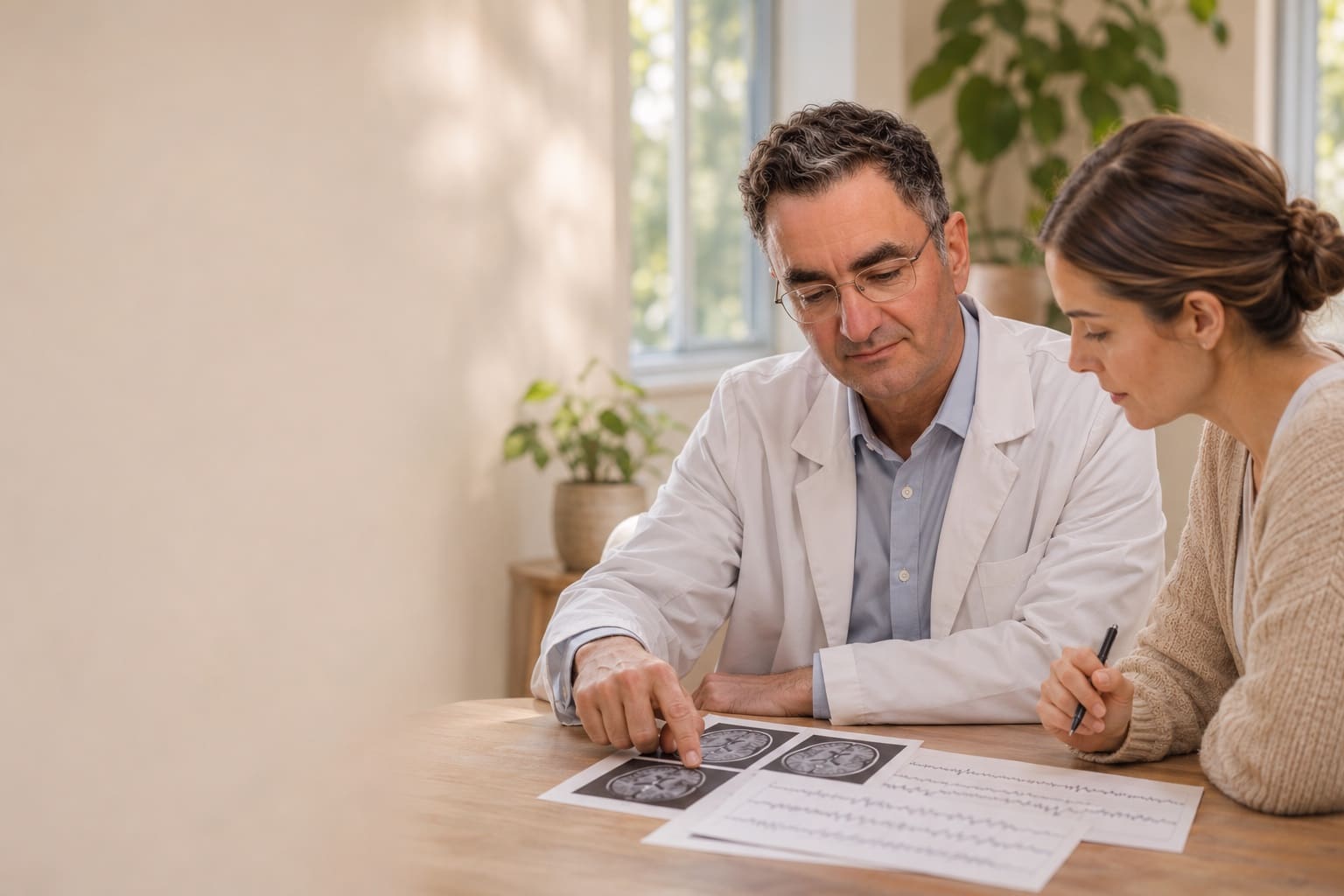

If medication hasn’t helped
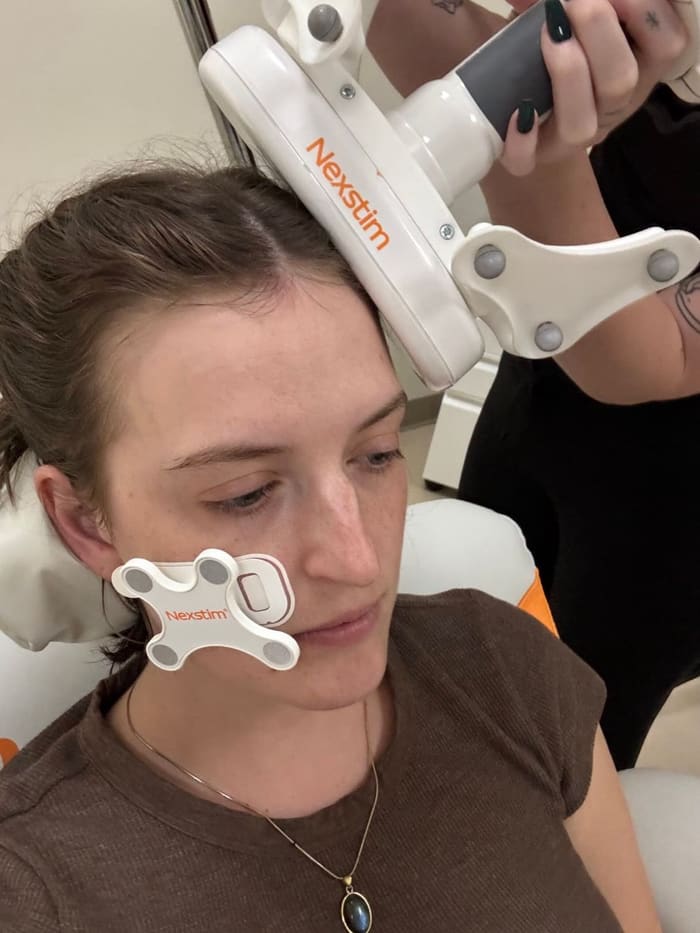
Gentle magnetic pulses, aimed at a spot planned on your own MRI, for depression, anxiety, OCD, PTSD and more. A session takes about 30 minutes, with no anesthesia, and you can drive yourself home.
 (310) 895-7122
If your mood, memory, focus, or sleep are no longer what they used to be, after an injury or without any clear cause, you deserve care tailored to you. Our neuro-navigated TMS is guided by your own brain scans and overseen by neurosurgeon Dr. Mark Liker.
You don’t need a diagnosis to talk to us. Start with what you’re living with.
“I can’t concentrate the way I used to.”
Focus can slip for many reasons. Low mood, anxiety, poor sleep, ADHD or an old head injury can all feel the same from the inside. We start with your story, and look further only where it helps, so care is aimed at what’s really going on.
Read more: ADHD, Depression, Brain injury. Talk to us about it.
“I’m tired all the time, and I don’t feel like myself.”
When the tiredness is in your mind as much as your body. Feeling flat, worn out and unlike yourself for weeks is worth talking about, especially if what you’ve tried hasn’t helped. We’ll listen to what’s been happening, and to what you want back.
Read more: Depression, Insomnia. Talk to us about it.
“I’ve tried treatment, and I’m still struggling.”
Many people come to us after other treatment hasn’t been enough. Medication that didn’t help, or helped and stopped. Therapy that wasn’t enough on its own. That doesn’t mean nothing will help. We’ll look at what you’ve tried, look further only where it helps, and tell you honestly whether our care could.
Read more: Depression, Anxiety, OCD. Talk to us about it.
“My mind won’t stop racing.”
A mind that won’t settle is exhausting. Worry you can’t put down, or thoughts that keep coming back however hard you push them away. We’ll understand what it’s like for you before we suggest anything.
Read more: Anxiety, OCD. Talk to us about it.
“Since my head injury, something isn’t right.”
After a head injury, many people feel changed and can’t say why. Trouble concentrating, headaches, emotional changes, memory and sleep that never came back: what we call the CHEMS pattern, sometimes months or years later. We offer a careful evaluation after a brain injury, and we explain what we find.
Read more: Brain injury, What happens after a head injury. Talk to us about it.
“I keep reliving something that happened.”
Some memories don’t stay in the past. Nightmares, being on edge, avoiding places and people. Many of the people we see have served, or lived through something they didn’t choose. We go at your pace.
Read more: PTSD. Talk to us about it.
“The pain never really lets up.”
Pain that doesn’t ease wears down everything around it. Sleep, mood and patience run thin. We’ll talk through what you’ve tried, and whether our care could help alongside the care you already have.
Read more: Chronic pain. Talk to us about it.
“There’s a ringing I can’t get away from.”
Being told to live with it isn’t an answer. Tinnitus can wear away at sleep, focus and mood. We’ll listen to how it affects your days, and tell you honestly whether we can help.
Read more: Tinnitus. Talk to us about it.
“I’m forgetting things I never used to.”
Noticing it is the first step. Missed appointments, lost words, notes everywhere. Whether it’s you or someone you love, we’ll take the time to understand what has changed.
Read more: Memory. Talk to us about it.
Most people come to us after trying other things first. Here’s what we do at BrainStim, and who each part of it is for.
If medication hasn’t helped
Gentle magnetic pulses, aimed at a spot planned on your own MRI, for depression, anxiety, OCD, PTSD and more. A session takes about 30 minutes, with no anesthesia, and you can drive yourself home.

If you need relief sooner
Ten short sessions a day for five days, instead of one a day over six weeks or more. It isn’t right for everyone, and we’ll talk through whether it fits you.

If medication is part of it
Our psychiatrist and psychiatric nurse practitioners diagnose, manage medication and oversee TMS for depression and anxiety. We’ll check what your insurance covers first.

If you want answers first
An MRI shows your brain’s structure, and a brainwave map (qEEG) shows how it’s working, before anything is decided. You can book mapping on its own, with a report for you and your doctor.

If memory is slipping
Treatment that adds no new pills to the list and is spent sitting in a recliner. Patients have come to us in their eighties, living with depression and memory decline.
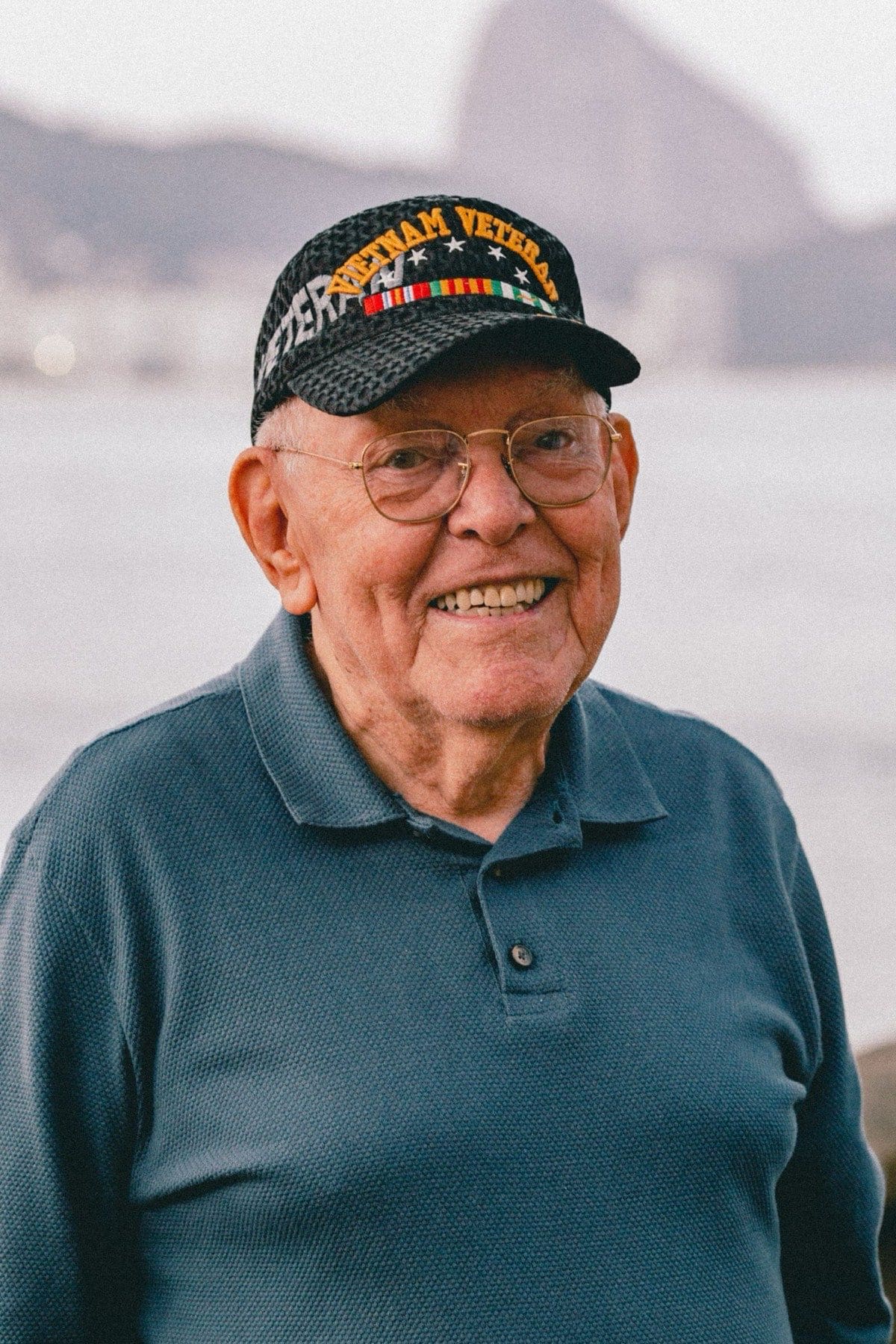
If you served
A brain health evaluation, then care planned for PTSD, brain injury and depression.

If you’ve had a head injury
A careful evaluation after a concussion or brain injury, and care planned from what we find. For athletes, APEX measures brain health before and after a course of treatment.
Dr. Mark Liker, neurosurgeon and founder
For more than two decades Dr. Liker has operated on the brain. He founded BrainStim on a simple idea: understand the person first. Your story, your symptoms and your history come before any test or treatment.
He reviews what we learn, decides with you whether treatment is right, and reviews every plan himself. If treatment here isn’t the right fit, we’ll tell you.
FDA-cleared for depression since 2008
FDA-cleared in 2021 for anxiety that comes with depression
FDA-cleared for adults with OCD since 2018
Off-label for PTSD
Off-label for tinnitus
Off-label for chronic pain
Off-label for insomnia
Off-label for ADHD
Off-label for brain injury
Off-label for autism
Off-label for memory decline
More about depressionTalk to us
Non-invasive and drug-free: no surgery and no medication, from your first scan to your last session.
Care starts with your story, not a scan.
Your first conversations are about you: what’s been happening, what you’ve already tried, and what you want back. Standard questionnaires put your symptoms on record, so later we can measure change rather than guess at it.
The exact point to treat, found on your own brain.
Your MRI becomes a 3D model of your own brain. The area to treat is marked on that model, and in every session a navigation system guides the coil back to that same point, rather than placing it from measurements on the outside of the head.
How your brain is working, not just how it looks.
A qEEG records your brain’s electrical activity. In Dr. Liker’s words, it lets us “look at the actual electrical activity of the brain”, so treatment can be tuned to the patterns it shows, including your own alpha peak frequency.
A neurosurgeon reads it all, side by side.
Dr. Mark Liker and our clinical team look at your story, your scans and your scores together, so each piece makes sense of the others. Then we decide with you whether treatment is right, and if it isn’t, we’ll tell you.
Every pulse steered to a point planned on your own brain.
Your MRI becomes a 3D model and your target is marked on it. An infrared camera tracks a small reflector you wear, so the coil is guided to that point in real time and returns to it every session.
Repeated pulses that wake up or calm an area of the brain.
The coil delivers trains of magnetic pulses at a set rhythm, then rests. Faster rhythms stimulate underactive areas; slower ones settle overactive ones. We usually deliver it with navigation. If you can’t have an MRI, for example because of braces or certain implants, we don’t turn you away: where it’s safe for you, it can be given as non-navigated TMS, and our clinical team will check that first.
Short, patterned bursts that take minutes, not half an hour.
Instead of a steady train, pulses come in quick bursts of three, repeated at the brain’s own theta rhythm. Intermittent bursts excite an area; continuous ones calm it. A session can take as little as a few minutes.
A concentrated schedule: fifty short sessions over five days.
Ten short sessions a day for five days, about 45 to 50 minutes apart, instead of one session a day over six weeks or more. It can suit people who can’t come in daily for weeks. It isn’t right for everyone, and we’ll talk through whether it fits you.
Progress measured, not just promised.
The questionnaires you filled in at the start are asked again during treatment and at the end, so you and Dr. Liker can see what has changed against where you began. Where it helps, your EEG is recorded again too, and we follow up with you after your course ends.

APEX™ by BrainStim
Athletes measure everything except their brain. APEX gives them a documented picture of brain function, five days of navigated treatment and a year of boosters, set against where they started.

For veterans, service members and military families
TMS for depression, anxiety and PTSD, overseen by a psychiatric provider. We work with TRICARE and TriWest (VA Community Care), and we check your benefits for you before anything is booked.
TMS is FDA-cleared for depression. Its use for PTSD is off-label. Coverage depends on your plan.
Real patients, on camera and in print, about where they started and where they are now. Each story is one person’s own experience, and results vary.
“For the first time in many years … I am finally off of medication.”
“The first time I came here, I didn’t even want to live anymore … but it’s getting better. It just lifts your spirits.”
On television, on podcasts and in the local press, explaining the brain in plain words.
Research is a cornerstone of BrainStim. We combine established TMS research with individualized brain targeting, neurosurgeon oversight and objective assessments, to inform each treatment and evaluate progress.
Now under way: a research study of TMS for people recovering from methamphetamine use, at our Lancaster clinic with Tarzana Treatment Centers. About the study
Short reads from our team, for when you want to understand what’s happening before you call. Wondering about cost? We’ll check what your insurance covers, at no cost, before anything is booked.
All 37 articlesPrefer to listen? The TMS Brain Power podcast covers how TMS works, insurance and your first day, in eight short episodes.